Published: ২৩ সেপ্টেম্বর ২০২৬, ১১:৩৬ এএম
1692
০৫ অক্টোবর ২০২৬, ০২:০৭ পিএম

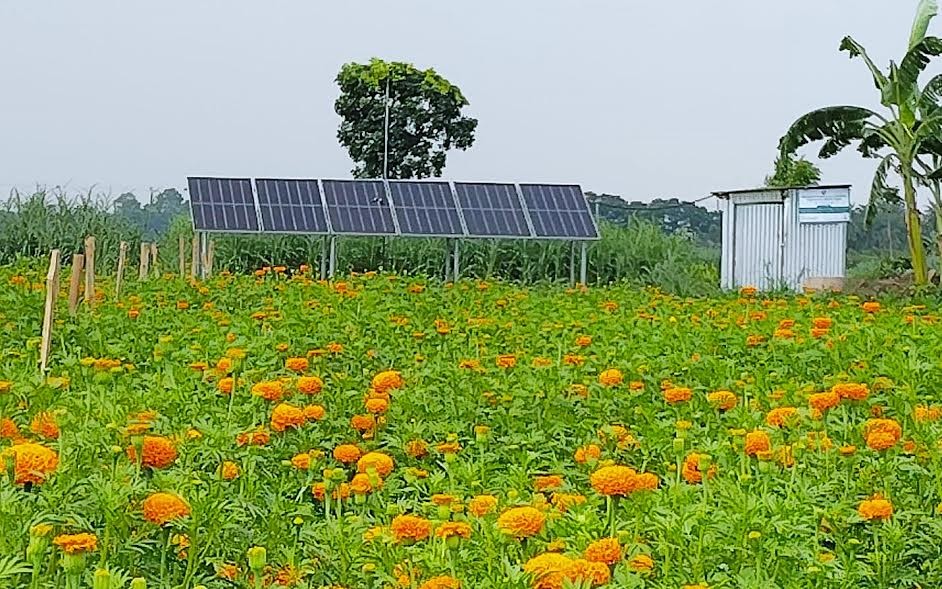
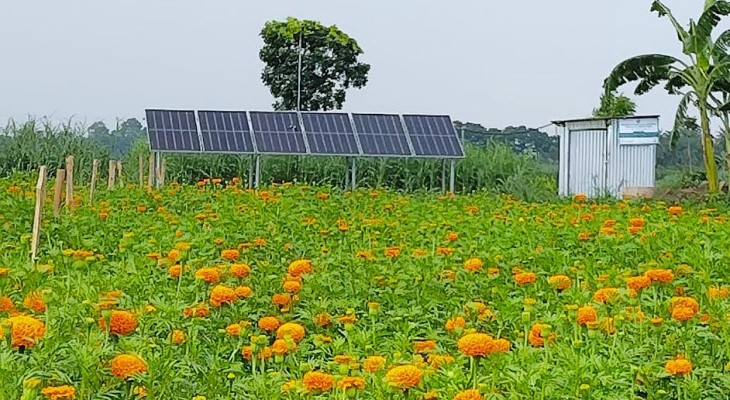
Solar-powered irrigation pumps have opened up new opportunities for farmers in Jhenaidah by ensuring low-cost and uninterrupted irrigation during daylight hours, reducing their dependence on diesel and grid electricity.
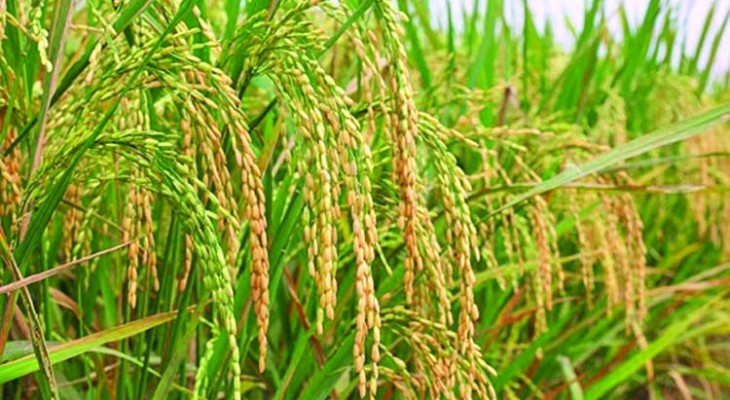
Farmers said the solar-powered pumps have helped cut irrigation costs and increase crop production, prompting more growers to turn to the renewable energy-based system.
The Department of Agricultural Extension (DAE) has also taken various initiatives to expand the use of solar-powered irrigation pumps across the district.
According to sources, 36 solar-powered irrigation pumps are currently operational in Jhenaidah Sadar, Kotchandpur and Maheshpur upazilas. Of these, three are in Sadar, one in Kotchandpur and 32 in Maheshpur upazila.
Besides, 86 solar-powered irrigation pumps, both large and small, are currently in operation across the district, according to the district agriculture office.
The authorities are gradually expanding the installation of solar-powered irrigation pumps in different areas, particularly on three-crop and four-crop lands, to facilitate irrigation and boost agricultural production.
Sources said the pumps were installed earlier under the ‘SMART’ project, implemented by the Rural Reconstruction Foundation (RRF) with technical assistance from the Palli Karma-Sahayak Foundation (PKSF) and funding from the World Bank. The project is still ongoing in some areas.
Jahidul Islam, a farmer from Madhuhati area of Sadar upazila and a beneficiary of a solar-powered irrigation pump, told BSS that irrigation with diesel-run pumps was very costly, while electricity-powered pumps also involved considerable expenses.
“Besides, uninterrupted irrigation cannot always be ensured with electric pumps due to load-shedding. So, we use solar-powered pumps to irrigate our fields. It has reduced our irrigation costs by nearly half,” he said.
Shamim Hossain, a farmer from Kushna area of Kotchandpur upazila, said some farmers had installed the pumps on a cooperative basis, while others had set them up on their own initiative.
He said farmers were not only using the pumps to irrigate their own fields but also supplying water to other farmers’ lands and earning additional income.
Deputy Director of DAE in Jhenaidah, Agriculturalist Md Kamruzzaman told BSS that around 86 solar-powered irrigation pumps were currently operational in different parts of the district, providing irrigation to a total of 654 hectares of farmland.
“The government has taken a plan to further boost irrigation in agriculture by harnessing solar energy,” he said.
“We have also started collecting data and information from the field. If three-crop and four-crop lands can be brought under solar-powered irrigation systems, irrigation costs in agricultural production will decline significantly, benefiting farmers. It will also reduce additional pressure on electricity and fossil fuels,” he added.